Cause Before Repair
The team checks the home’s supply and multiple fixtures before recommending work. That helps distinguish a regulator, pump, pressure tank, or water line concern from a problem isolated to one fixture.
The Republican River runs through the setting Wray homeowners know, but pressure problems start at the plumbing not the view. Freeze-thaw cycles can stress buried water lines, so a gradual drop across several fixtures deserves a closer look at the service line and supply connections. Our team tests before recommending a repair.
Wray’s frame houses, ranch-style homes, and farmstead outbuildings can have different pipe routes and access needs. Dry indoor air can also increase static and dust during open plumbing work, so we protect the work area and keep the repair opening controlled. We explain what we find in plain language and outline the work before it begins.
We have served Wray for more than 12 years. If pressure changes after a freeze or you notice a weak stream at multiple fixtures, check whether the issue affects hot, cold, or both supplies, then call our crew at (877) 773-0781.
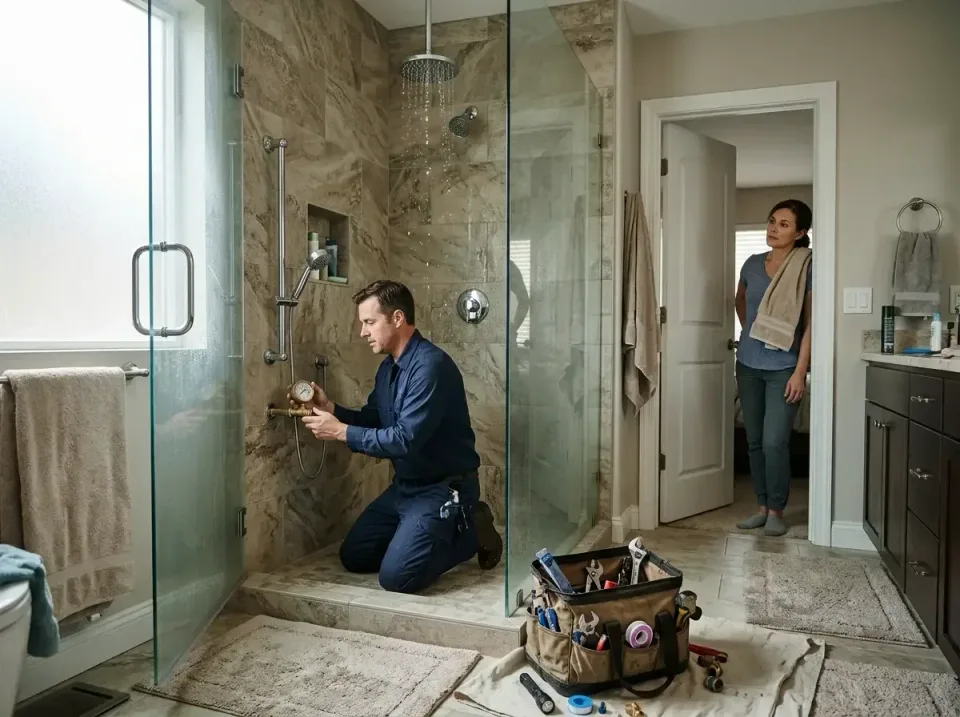
Wray’s Yuma County Courthouse and Wray Museum anchor a town where properties range from downtown storefronts to homes outside the central blocks. Spring snowmelt may raise groundwater around foundations, so our team considers site conditions before opening a line or planning access. Dry air can evaporate moisture quickly during exposed plumbing work; we keep work areas controlled and explain any interruption before starting.
Four distinct seasons affect outdoor plumbing access, so timing and safe access can shape the visit; we share scheduling updates if conditions affect the work. Our crew explains the likely cause, repair options, and plan before beginning. Call (877) 773-0781 to arrange a Wray service visit.
When a shower weakens as another tap runs, the shared supply may not keep up; in Wray’s farmstead outbuildings and homes, our crew checks the source and pressure before recommending a fix. You can safely compare one fixture with another, noting whether the drop is throughout the property.
A weak stream at upstairs faucets can reflect the height the water must travel, while hot-only weakness points us to the hot-water side. Our team checks the accessible fixtures and supply path, then explains the findings. Keep it simple.
Hot summer afternoons can stress outdoor pump equipment, and winter freezes can burst exposed pipes; those conditions matter when pressure changes around exterior equipment. Snowfall may delay excavation or equipment delivery, so we discuss access and timing before work. We serve Wray’s 80758 postal area; call (877) 773-0781 to schedule diagnosis.
Summer thunderstorms around Wray can bring hail and flash flooding, which may complicate outdoor access to plumbing equipment. Hail can also damage exposed vents or equipment; our team checks visible exterior components when tracing a pressure problem. A safe first check is to look from the ground for obvious damage do not climb onto a roof.
Near Wray City Park, a pressure drop that starts after a water-main repair may come from debris disturbed during the work. Our crew compares pressure at accessible points and checks whether the change affects the whole property or only one fixture.
If the issue began after utility work, note when service returned and whether cold and hot water behave differently. We can use those details to plan a focused visit in Wray.
Wray property owners should use qualified plumbing professionals and ask which local requirements apply before regulated plumbing work begins. The 2022 Denver Building and Fire Code provisions are specific to Denver, not a blanket code for Wray; our team does not present them as Wray rules.
For a Wray repair, we record static and flowing pressure before deciding what to adjust or replace; that comparison helps distinguish a supply limitation from a fixture issue. The Safe Drinking Water Act’s lead-free requirements affect plumbing components that contact drinking water, so we account for compliant materials when planning work.
Skipping applicable permits or inspections can leave required work undocumented and create problems during later property work. Our crew checks the relevant local process, explains the scope, and coordinates required steps before beginning.
Get a clear explanation of the pressure problem and the work it may need.
The team checks the home’s supply and multiple fixtures before recommending work. That helps distinguish a regulator, pump, pressure tank, or water line concern from a problem isolated to one fixture.
With 12 years in business and experience across Colorado, the team is familiar with how older service lines, pressure regulators, and changing temperatures can affect plumbing systems.
The team checks the system, explains the cause, and coordinates appropriate repair work.
Discuss the Symptoms
Tell the team where pressure is low and when you notice it. This gives the technician a starting point for checking the home’s supply, fixtures, and system components.
Check Pressure
The technician records static and flowing pressure and checks multiple fixtures. You get a clearer picture of whether the pressure issue affects one outlet or the wider system.
Complete and Verify
After the agreed repair, the technician checks pressure readings and regulator settings, documenting the results. If the work calls for it, the team coordinates applicable permits or local requirements.
A pressure gauge needle that moves unevenly can signal changing system pressure. Note when the movement happens and whether it matches water use; that detail can help a technician assess the system.
A pump that starts and stops often may point to a pressure tank or pump concern. Pay attention to the pattern and share it with the technician rather than opening electrical enclosures yourself.
A drop in pressure after water main work is worth checking, even if some fixtures still flow. Mention the timing and which fixtures are affected so the supply and home plumbing can be assessed.
Large temperature swings can make changes in a plumbing system more noticeable as conditions shift. A pressure check can help identify a regulator, pump, tank, or line concern and clarify whether repair is needed.
Hot, windy conditions across the plains make reliable household water useful for everyday routines. If pressure changes or fluctuates, a technician can check the supply and fixtures and explain the system’s condition.
Before colder weather arrives, pressure concerns are a practical reason to have plumbing components assessed. A technician can inspect relevant parts and discuss repairs or local requirements that apply to the work.
Cold winters and blizzards can bring added stress to water lines and plumbing systems. Sudden pressure changes deserve attention; a technician can check the home’s supply and explain what the readings indicate.
Ask who checks whether the planned work needs permits or other local coordination. The answer helps you understand what requirements may apply and who will handle that coordination before work proceeds.
Ask which checks and repair tasks are included in the described scope, and what would be discussed separately. A clear scope helps you understand the work before you agree to proceed.
Ask which fixtures, shutoff valves, or system areas the technician needs to reach. Confirming access ahead of the visit can help the inspection and any agreed repair proceed without avoidable delays.
Ask how the agreed scope, any changes, and applicable requirements will be documented. Reviewing those terms helps you know what has been approved and what to discuss if the findings point to additional work.
Request a quote online or contact our Wray, CO team directly by phone or email.
See whether the change affects several fixtures or only one, and note whether hot and cold water are both weak. Near the Republican River, tell our crew if the change followed a water-main repair or outdoor work. We can compare static and flowing pressure and explain the likely cause before recommending a repair.
A shared supply may be struggling to deliver enough flow to both fixtures. In Wray, our team checks pressure at accessible points and inspects the supply path before proposing a repair. You can test whether the pattern repeats with another faucet, then share what you observed when you call.