Water Booster Pump Installation
We install residential booster pumps sized to household demand; Colorado jobs typically run $800–$2,500, with pump capacity and electrical work affecting the total. Dry air makes open plumbing work evaporate faster.
A whole-house pressure drop can turn a shower into a trickle and leave upstairs faucets barely running. Colorado Plumbing Pros handles sudden pressure loss across Colorado, where eastern plains wind and rapid temperature swings can make exposed plumbing more vulnerable; homes near Aspen Mountain or Cheyenne Mountain Zoo still need the cause identified before repairs are chosen.
Browse all service options available across Colorado and choose the right fit for your project.
We install residential booster pumps sized to household demand; Colorado jobs typically run $800–$2,500, with pump capacity and electrical work affecting the total. Dry air makes open plumbing work evaporate faster.
Pressure tank repair covers bladder and connection issues for homes and well systems; typical replacement runs $450–$1,300, depending on tank size and plumbing changes.
We inspect and repair residential pressure regulators, including valve adjustments and replacements; typical replacement runs $300–$800, depending on valve size and access. Aspen Mountain, Cheyenne Mountain Zoo, and t...
Well Pump Repair covers residential pump and control troubleshooting; typical repairs run $300–$1,500, depending on pump type, parts, and access.
Weak faucet pressure repair for homeowners includes faucet flow checks and targeted adjustments; access and fixture condition shape the scope.
Low Shower Pressure Repair addresses weak shower flow, including showerhead and fixture checks; typical jobs run $125–$350, with access and repair scope affecting cost.
We diagnose weak hot-water flow for homeowners, checking fixture passages and hot-side piping; scope and access determine the repair quote.
We locate and repair leaking residential water lines, including buried sections; excavation length and surface restoration shape typical $500–$3,000 jobs.
Low Cold Water Pressure Repair tracks weak cold flow at fixtures and supply lines; scope and access determine the job cost. Snowfall near Pikes Peak can delay equipment delivery.
We clear blockages in residential water lines; typical jobs run $300–$1,500, depending on access and the clog’s location.
We repair corroded residential pipes, including accessible copper sections; typical jobs run $500–$2,500, depending on pipe length and access.
We clear mineral grit and debris from faucet aerators for homeowners; access, screen condition, and replacement parts shape typical $90–$250 jobs.
We replace home water-filter cartridges and housings; typical jobs run about $150–$500, depending on filter type and access.
We clear mineral scale and debris from residential showerheads; typical repairs run $75–$250, depending on access and buildup.
We repair residential water service lines, including buried pipe sections; Colorado jobs typically run $500–$3,000, driven by excavation length and surface restoration.
We repair well pressure switches for homeowners, checking contacts and settings; typical repairs run $150–$500, depending on access and switch condition. Hail near Telluride Historic District can damage exposed equipm...
We repair residential water softeners, including control valves and regeneration components; typical repair pricing depends on system size, parts, and access.
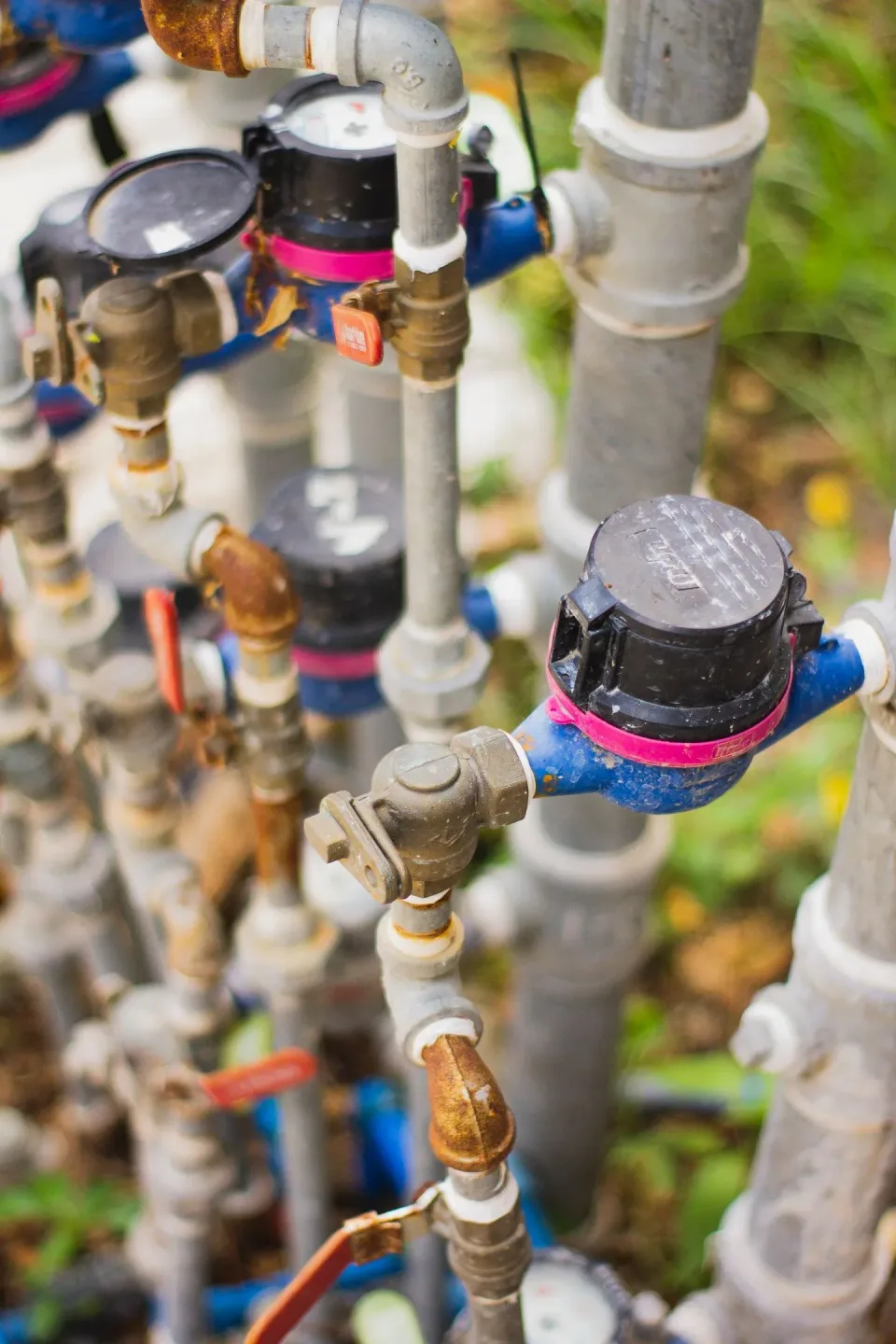
A whole-house drop needs a measured diagnosis, not a guessed replacement. Our Colorado-licensed plumbing professionals compare static and flowing pressure with a gauge rated for the system, then inspect accessible controls and piping for a clear failure point. The pressure reading guides the scope.
Freeze-thaw cycles can stress buried water lines, so a sudden change may call for checking the service route rather than only indoor fixtures. Near Coors Field, freeze-thaw stress matters when considering concealed lines; around the Denver Botanic Gardens, homeowners should note whether the pressure change followed outdoor plumbing work. We explain what the readings do and do not show before recommending a repair.
Tell us when the drop began, whether every fixture is affected, and whether there is visible moisture. We will outline likely options before work starts. Call (877) 773-0781 to discuss a scope review.
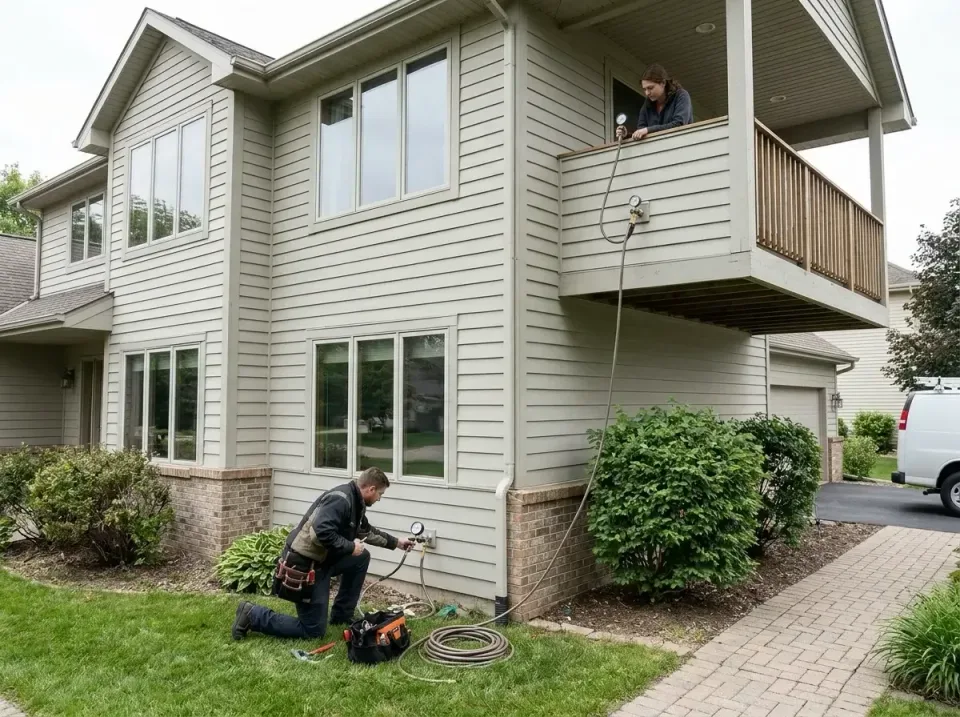
We begin by recording where and when the pressure changed, then compare the affected fixtures and accessible system readings. That establishes whether the loss is widespread or limited to part of the home.
Next, we test with a gauge rated for the expected system pressure and review accessible controls and connections. Cold snaps can freeze shallow service lines, so tell us if the drop followed a cold period and whether exposed piping is reachable.
High altitude can increase UV exposure and freeze risk, which makes the condition of exposed outdoor components useful context. Near Denver Union Station, access to the service entry can shape what we can inspect without opening finished surfaces; around Garden of the Gods, we likewise confirm safe access before testing.
We explain findings and scope before repairs begin, then verify the result at the affected fixtures. For background before scheduling, see what to check when water pressure suddenly falls.
A pressure drop near the Colorado Springs Pioneers Museum may look simple, but changing a control before measuring can mask a leak or leave the cause unresolved. We start with readings and explain the likely fault in plain language.
Dry air increases evaporation from open plumbing work, so we limit exposed work time and keep the work area orderly. Mountain communities face heavier snowfall than eastern plains; when outdoor access is affected, we plan around safe access instead of rushing a buried-line inspection.
Around Great Sand Dunes Visitor Center, wind and exposure can make an open work area less forgiving, so our crew protects the immediate work zone. Near Manitou Incline or Pikes Peak, seasonal access may also affect when outdoor checks can be done.
We distinguish confirmed findings from possibilities, identify where access or excavation would be needed, and discuss the scope before proceeding. Colorado Plumbing Pros has served Colorado for 12+ years; we bring that experience to diagnosis, not assumptions.
A whole-house pressure drop may need only testing, or it may lead to work behind a wall or along a service line. The access changes the scope.
Pressure diagnosis typically runs $75–$200, depending on access and testing time. If a pressure-regulating valve proves faulty, replacement is commonly $300–$800, with valve size and access affecting the work.
A booster pump installation may run $800–$2,500, driven by pump capacity and electrical work; a pressure tank replacement may be $400–$1,200, depending on tank capacity and plumbing changes. These are different repair paths, not automatic additions to a sudden-loss visit.
Drought conditions may increase water-conservation concerns, so we focus on restoring useful flow without recommending unnecessary equipment; monsoon-season storms can restrict outdoor service work and affect access planning. Rocky Mountain National Park, Boulder Pearl Street Mall, Colorado National Monument, and the Colorado State Capitol are local reference points, not pricing zones.
Final quotes vary with scope, access, parts, and site conditions. Call (877) 773-0781 for a job-specific quote.
Hot Water Flows Weakly
Before: Hot water runs with less force than cold water, leaving the cause unclear. The difference may be noticeable at a fixture, but it does not by itself identify which part of the plumbing needs attention.
After: A technician checks the home’s supply and fixtures, compares the hot and cold flow, and explains what the findings indicate. That gives the homeowner a clearer basis for deciding what repair, if any, is needed.
The team dispatches from Denver and coordinates low-pressure repair calls across Colorado. Ask what schedule is available for your area and how it may be affected by access or conditions. This helps set practical expectations before work is arranged.
Ask for the written scope, exclusions, payment terms, and any conditions that apply to the work. Reviewing these terms before you agree helps you understand what the provider is responsible for and what may require a separate decision.
Call Colorado Plumbing Pros at (877) 773-0781 to review sudden water pressure loss; we can account for seasonal access near Denver International Airport, Fort Collins Old Town, or Leadville Historic District.
Yes, winter freezes can burst exposed pipes and may leave a sudden pressure change or visible leak. Horsetooth Reservoir is a local reference point, not a predictor of home conditions; check exposed plumbing safely and note any wet areas for the plumber.
Yes, hot summer afternoons stress outdoor pump equipment, which can contribute to pressure trouble in systems that depend on it. Mesa Verde National Park and the Mesa Verde Visitor and Research Center are landmarks, not measures of equipment condition; note whether pressure changes during hot afternoons.
Yes, if pressure remains low after a water main repair, document which fixtures are affected and whether hot and cold flow both changed. Around Royal Gorge Bridge or Estes Park, location alone cannot confirm the cause, so a pressure reading and inspection are more useful than repeated valve adjustments.
No, avoid using affected plumbing if you see active leaking or water near electrical equipment, and shut off the supply only if you can do so safely. Winter freezes can burst exposed pipes; contact a plumbing professional and describe the leak location and pressure change.
Write down when the pressure changed, which fixtures are affected, and whether the issue followed outdoor work or a cold spell; photos of visible moisture can help. Colorado Plumbing Pros can use those details to plan access and explain the inspection scope before work begins.
Select a city to find local low water pressure repair providers we cover in Colorado.