Water Booster Pump Installation
We install residential booster pumps sized to household demand; Colorado jobs typically run $800–$2,500, with pump capacity and electrical work affecting the total. Dry air makes open plumbing work evaporate faster.
A well pump that clicks repeatedly or leaves taps running weakly can point to a pump, switch, or supply problem. Colorado Plumbing Pros handles well pump repairs across Colorado, including checks of the pump and its controls.
Browse all service options available across Colorado and choose the right fit for your project.
We install residential booster pumps sized to household demand; Colorado jobs typically run $800–$2,500, with pump capacity and electrical work affecting the total. Dry air makes open plumbing work evaporate faster.
Pressure tank repair covers bladder and connection issues for homes and well systems; typical replacement runs $450–$1,300, depending on tank size and plumbing changes.
We inspect and repair residential pressure regulators, including valve adjustments and replacements; typical replacement runs $300–$800, depending on valve size and access. Aspen Mountain, Cheyenne Mountain Zoo, and t...
Weak faucet pressure repair for homeowners includes faucet flow checks and targeted adjustments; access and fixture condition shape the scope.
We trace sudden whole-house pressure loss, from a pressure reading to accessible plumbing checks; diagnosis cost depends on access and testing time.
Low Shower Pressure Repair addresses weak shower flow, including showerhead and fixture checks; typical jobs run $125–$350, with access and repair scope affecting cost.
We diagnose weak hot-water flow for homeowners, checking fixture passages and hot-side piping; scope and access determine the repair quote.
We locate and repair leaking residential water lines, including buried sections; excavation length and surface restoration shape typical $500–$3,000 jobs.
Low Cold Water Pressure Repair tracks weak cold flow at fixtures and supply lines; scope and access determine the job cost. Snowfall near Pikes Peak can delay equipment delivery.
We clear blockages in residential water lines; typical jobs run $300–$1,500, depending on access and the clog’s location.
We repair corroded residential pipes, including accessible copper sections; typical jobs run $500–$2,500, depending on pipe length and access.
We clear mineral grit and debris from faucet aerators for homeowners; access, screen condition, and replacement parts shape typical $90–$250 jobs.
We replace home water-filter cartridges and housings; typical jobs run about $150–$500, depending on filter type and access.
We clear mineral scale and debris from residential showerheads; typical repairs run $75–$250, depending on access and buildup.
We repair residential water service lines, including buried pipe sections; Colorado jobs typically run $500–$3,000, driven by excavation length and surface restoration.
We repair well pressure switches for homeowners, checking contacts and settings; typical repairs run $150–$500, depending on access and switch condition. Hail near Telluride Historic District can damage exposed equipm...
We repair residential water softeners, including control valves and regeneration components; typical repair pricing depends on system size, parts, and access.
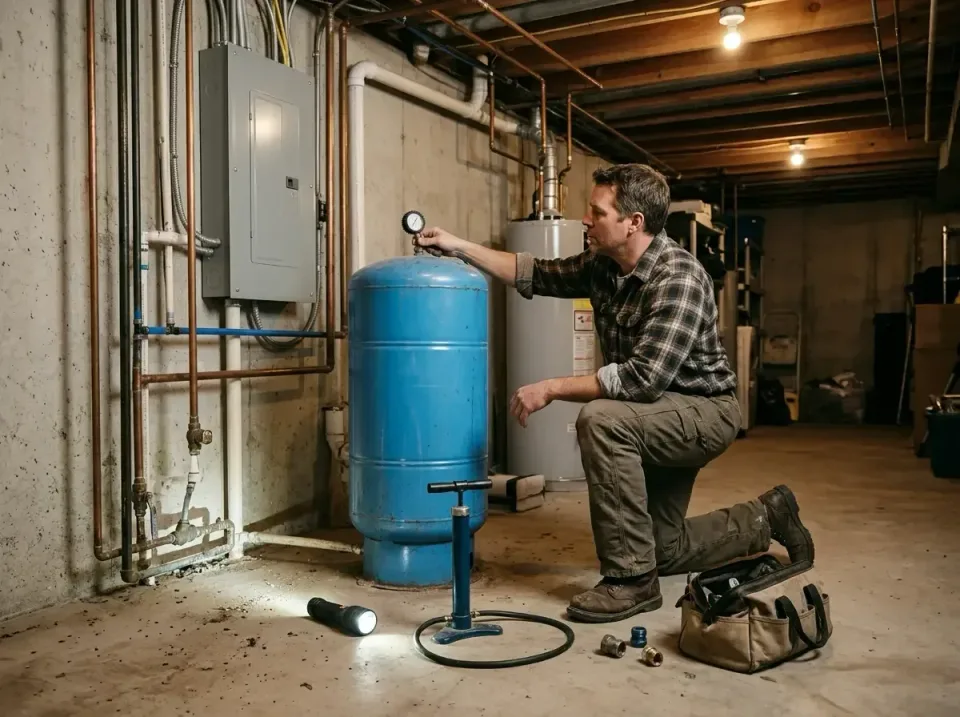
A pump that runs without restoring a steady stream needs a measured diagnosis, not a guessed replacement. We compare the pressure gauge reading with pump operation and inspect the pressure switch and tank connections; common switch settings are 30/50 or 40/60 psi, depending on the system.
Near Denver Union Station, elevation is about 5,280 feet, a useful local reference when discussing a property’s water setup. Hot summer afternoons can strain outdoor pump equipment, so shade, ventilation, and equipment condition matter during inspection. Cold snaps can freeze shallow service lines; tell us if exposed piping has been affected.
We explain what the readings show and which repair options fit the equipment before work begins. For a scope review, call Colorado Plumbing Pros at (877) 773-0781.
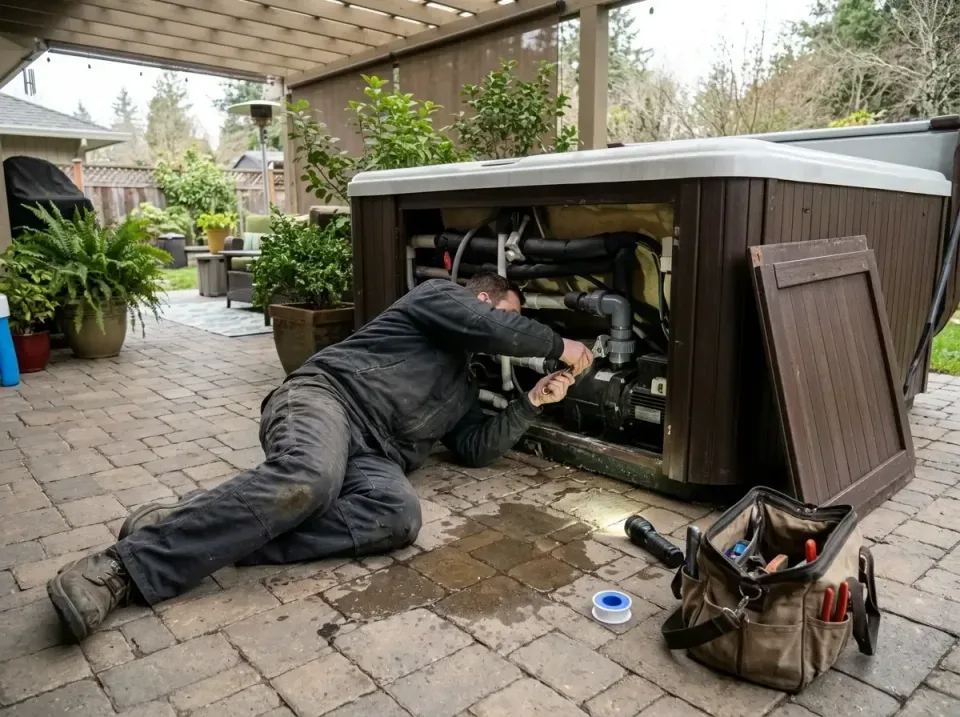
We begin by recording the reported symptoms, pump details, and access conditions, then arrange an inspection of the well equipment. A pressure test uses a gauge rated for the system’s expected pressure, so the reading is useful rather than a guess.
Next, we observe how the pump starts and stops and inspect the controls and visible connections. Eastern plains properties can face strong winds and rapid temperature swings, so we ask whether outdoor equipment or access has changed recently.
Hail can damage exposed plumbing vents and equipment; after a storm, mention visible impact or loose covers before the visit. In mountain communities, heavier snowfall than on the eastern plains may affect access and scheduling.
Around Garden of the Gods, terrain and equipment location can shape how a crew reaches a well setup.
We review the diagnosis and scope with you before repairs begin. The time required depends on access and the fault found; we provide scheduling updates if conditions change.
A homeowner near Ball Arena may be tempted to reset a pump repeatedly when the pressure drops, but repeated cycling can leave the underlying fault untouched. A reset is not a diagnosis.
Our crew checks the gauge and controls together, because a single reading cannot show how the pump behaves through a full cycle. The Durango and Silverton Narrow Gauge Railroad follows a route with changing grades; similarly, a well system’s operating conditions matter, and we assess its actual readings rather than assume every setup is alike.
At Glenwood Hot Springs Pool, water is central to the setting, but a home well needs its own equipment-specific assessment. Mesa Verde National Park’s remote setting is a useful reminder to share access constraints in advance, especially when equipment is far from the road.
We explain the likely fault and repair scope before proceeding, and respect the work area. If repeated resets or uncertain wiring are involved, stop adjusting controls and arrange a professional inspection.
A pump that runs but fails to restore pressure may need a control adjustment, component repair, or more involved equipment work. The fault and access determine the scope; a visual guess is not a reliable quote.
As a broad planning range, residential well pump repairs may fall around $300–$1,500, with pump type, parts availability, electrical access, and well depth affecting the total. A diagnostic visit may be charged separately, and replacement work can cost more when equipment or site access makes removal difficult.
This range is not a fixed price. Near the Black Canyon of the Gunnison National Park, remote access can make planning parts and travel more important; around the Colorado Springs Pioneers Museum, site access still matters even in a developed setting.
Coors Field provides a familiar city reference, but each home’s pump installation is different. Contact Colorado Plumbing Pros at (877) 773-0781 for a job-specific quote; final quotes vary with scope, access, parts, and site conditions.
A new or changing pump sound is a sign to pay attention to. Note whether it happens during water use or when taps are off. Sharing that pattern can help a technician investigate the pump without assuming the sound identifies the cause.
Air sputtering from faucets is a sign worth noting, especially if it keeps returning. Check whether it occurs at more than one fixture and whether the water clears. Those details help distinguish a broader supply concern from a single fixture issue.
If snowfall may delay equipment delivery to your property, share access details early; call Colorado Plumbing Pros at (877) 773-0781 to request a Well Pump Repair scope review, noting whether your site is near Red Rocks Amphitheatre, Vail Village, or Aspen Mountain.
A pump that cycles without an open tap may be losing pressure or responding incorrectly to its controls, so note the pattern and avoid repeated resets. Freeze-thaw cycles can stress buried water lines, and a technician can check whether the pressure loss is within the well system or along its supply.
Low humidity can increase static and dust indoors, so keep the work area around electrical controls clear and avoid stirring dust before an inspection. If your property is near Pikes Peak, mention any access or equipment-location concerns when arranging the visit.
Some regulated plumbing work requires Denver plumbing permits under the 2022 Denver Building and Fire Code plumbing provisions, so the exact repair scope matters. Colorado State Plumbing Board contractor licensing requirements also apply to plumbing contractors; Colorado Plumbing Pros can explain the work scope and applicable requirements.
Send a clear photo of the pump controls and gauge, plus the pump make or any readable equipment label, if available. If your property is near Steamboat Springs or Telluride Historic District, include seasonal access details so the crew can plan around the site conditions.
Yes, access and weather can affect when equipment and repair parts reach a property, so share site conditions when scheduling. The Leadville Historic District is a useful local reference, while a home’s actual pump location and route to it determine the practical work plan.
Select a city to find local low water pressure repair providers we cover in Colorado.