Water Booster Pump Installation
We install residential booster pumps sized to household demand; Colorado jobs typically run $800–$2,500, with pump capacity and electrical work affecting the total. Dry air makes open plumbing work evaporate faster.
A faucet that sputters or a shower that fades may point to debris narrowing a water line, not just a problem at the fixture. Colorado Plumbing Pros helps Colorado homeowners with Clogged Water Line Repair when buildup restricts flow through the home.
Browse all service options available across Colorado and choose the right fit for your project.
We install residential booster pumps sized to household demand; Colorado jobs typically run $800–$2,500, with pump capacity and electrical work affecting the total. Dry air makes open plumbing work evaporate faster.
Pressure tank repair covers bladder and connection issues for homes and well systems; typical replacement runs $450–$1,300, depending on tank size and plumbing changes.
We inspect and repair residential pressure regulators, including valve adjustments and replacements; typical replacement runs $300–$800, depending on valve size and access. Aspen Mountain, Cheyenne Mountain Zoo, and t...
Well Pump Repair covers residential pump and control troubleshooting; typical repairs run $300–$1,500, depending on pump type, parts, and access.
Weak faucet pressure repair for homeowners includes faucet flow checks and targeted adjustments; access and fixture condition shape the scope.
We trace sudden whole-house pressure loss, from a pressure reading to accessible plumbing checks; diagnosis cost depends on access and testing time.
Low Shower Pressure Repair addresses weak shower flow, including showerhead and fixture checks; typical jobs run $125–$350, with access and repair scope affecting cost.
We diagnose weak hot-water flow for homeowners, checking fixture passages and hot-side piping; scope and access determine the repair quote.
We locate and repair leaking residential water lines, including buried sections; excavation length and surface restoration shape typical $500–$3,000 jobs.
Low Cold Water Pressure Repair tracks weak cold flow at fixtures and supply lines; scope and access determine the job cost. Snowfall near Pikes Peak can delay equipment delivery.
We repair corroded residential pipes, including accessible copper sections; typical jobs run $500–$2,500, depending on pipe length and access.
We clear mineral grit and debris from faucet aerators for homeowners; access, screen condition, and replacement parts shape typical $90–$250 jobs.
We replace home water-filter cartridges and housings; typical jobs run about $150–$500, depending on filter type and access.
We clear mineral scale and debris from residential showerheads; typical repairs run $75–$250, depending on access and buildup.
We repair residential water service lines, including buried pipe sections; Colorado jobs typically run $500–$3,000, driven by excavation length and surface restoration.
We repair well pressure switches for homeowners, checking contacts and settings; typical repairs run $150–$500, depending on access and switch condition. Hail near Telluride Historic District can damage exposed equipm...
We repair residential water softeners, including control valves and regeneration components; typical repair pricing depends on system size, parts, and access.
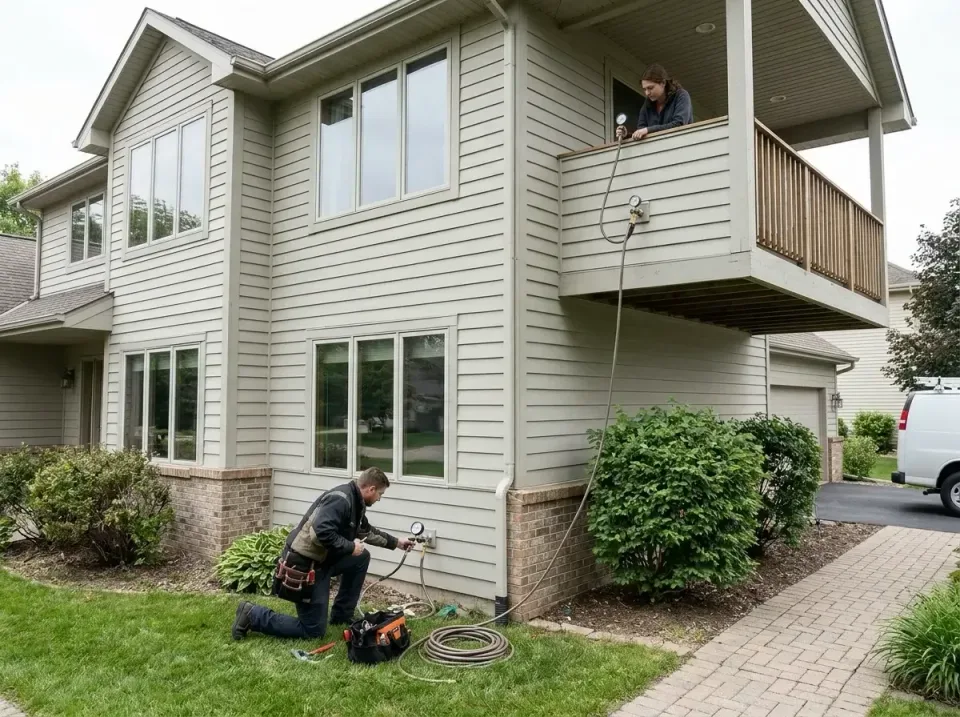
We start by separating a line restriction from a fixture issue, then compare pressure readings at accessible points. A pressure gauge must be rated for the expected system pressure; an unsuitable gauge can give misleading readings or fail under pressure.
Near Denver International Airport, Colorado’s elevation is about 5,280 feet, so a pressure reading needs to be interpreted in context rather than treated as a universal diagnosis. Freeze-thaw cycles stress buried water lines, which can make an existing restriction harder to distinguish from damage; spring snowmelt may also raise groundwater around foundations and complicate access to buried plumbing.
We explain what the inspection suggests before recommending a repair. Cold snaps can freeze shallow service lines, so tell us if the affected line runs near an exposed or shallow area. For a scope review, call (877) 773-0781.
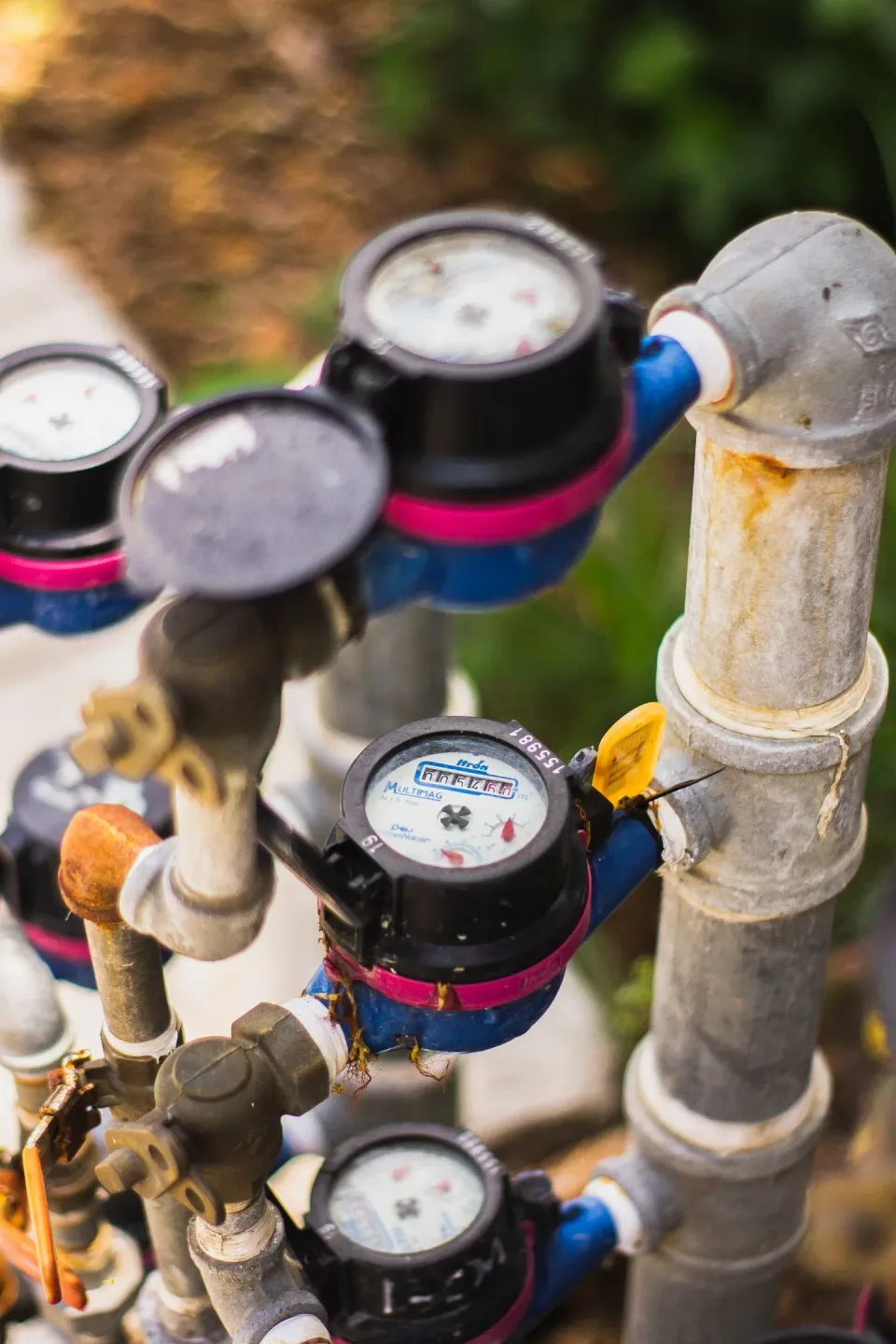
We begin by documenting which fixtures are affected and when the flow changes. That distinction helps narrow the inspection to the shared line or branch without opening unrelated plumbing.
Next, we compare readings with a pressure gauge rated for the system and inspect accessible piping. A brief initial assessment can often identify the likely route, while concealed or buried sections may take longer to trace; we explain any access limits before expanding the scope. Near Coors Field, as elsewhere in Colorado, a home’s own pipe layout not its proximity to a landmark sets the inspection plan.
At the Denver Botanic Gardens, paths guide visitors through distinct areas; likewise, we follow the home’s plumbing route in a deliberate order rather than guessing at a blockage. We confirm the suspected restriction, review repair options, then clear or repair only the affected section.
Afterward, we check flow again and explain what changed. Black Canyon of the Gunnison National Park is a reminder that Colorado terrain varies; for buried lines, access and site conditions can shape the work.
A weak upstairs faucet in a Colorado home can tempt an owner to open a wall or use aggressive drain chemicals, but neither step proves the water line is clogged. Some treatments can damage plumbing or leave the actual restriction untouched.
We compare affected fixtures, trace accessible piping, and use a pressure gauge suited to the expected system pressure. Near Pikes Peak, heavier mountain snowfall than on the eastern plains can delay excavation or equipment delivery, so we distinguish an accessible interior inspection from work that depends on outdoor access. Snowfall can delay excavation and equipment delivery; we explain that constraint before planning buried-line work.
Low humidity can worsen static and dust indoors, so our crew protects the immediate work area when opening plumbing. Tell us if the affected route is concealed or if other fixtures have changed too.
Around Steamboat Springs, seasonal access can matter for outside work; homes near Telluride Historic District also benefit from a scope tied to their actual pipe routing. We diagnose first, explain the findings plainly, and lay out a repair plan before work begins.
A blockage close to an accessible connection is different from one hidden behind finished walls or below a yard. The affected line’s location, how much must be opened, and the time needed to confirm the restriction shape the quote. Final quotes vary with scope, access, parts, and site conditions.
For comparison, pressure diagnosis is commonly $75–$200, depending on access and testing time; that is diagnostic work, not a price for clearing every clog. A repair involving an underground line may fall within the broader $500–$3,000 service-line repair range, with excavation length and surface restoration driving the work. Those figures are context, not a guaranteed clogged-line price.
Near University of Colorado Boulder, access to a buried run can matter more than the neighborhood name. Ball Arena offers another Colorado reference point, but material and location determine repair needs. The Durango and Silverton Narrow Gauge Railroad follows a fixed route; your plumbing route is what we need to assess. Call (877) 773-0781 for a job-specific quote.
Water line work may involve local rules that vary by location and job scope. Ask who will determine whether requirements apply and coordinate them when needed, so you understand what must be addressed before the work proceeds.
A clear scope helps distinguish diagnosis from any proposed water line repair and clarifies what work is included. Ask what the technician expects to address and how any additional work will be discussed before you authorize it.
Written terms help you understand the agreed scope, any stated exclusions, and how changes are handled. Ask to review them before authorizing repairs, and make sure the terms match what the technician explained about the job.
Colorado Plumbing Pros can review your Clogged Water Line Repair needs at (877) 773-0781; mention whether the affected line is near Boulder Pearl Street Mall, Colorado National Monument, or the Colorado State Capitol so we can discuss access and scope.
Yes, a line restriction can be one possible cause, but the timing alone does not confirm it. Note which fixtures changed and whether the issue affects hot, cold, or both; we can inspect the affected route and use a pressure gauge rated for the expected system pressure.
Some regulated plumbing work requires Denver plumbing permits under the 2022 Denver Building and Fire Code plumbing provisions. We review the work scope and applicable requirements, and excavation requires a Colorado 811 utility locate before digging.
Yes, photos of accessible pipe, the affected fixtures, and any visible sediment can help us understand access before reviewing the job. Include which taps are affected and when the change started; concealed piping may still need an on-site assessment.
Yes, a restriction on a hot-water route can make hot flow weaker while cold taps seem normal, though that symptom alone does not prove a line clog. Tell us which fixtures show the difference so we can trace the affected piping rather than assume the whole supply is involved.
Completion means we check flow at the affected fixtures and explain what work was done and any remaining access limitations. If the line serves drinking water, replacement components must meet applicable lead-free requirements under the Safe Drinking Water Act.
Select a city to find local low water pressure repair providers we cover in Colorado.