Water Booster Pump Installation
We install residential booster pumps sized to household demand; Colorado jobs typically run $800–$2,500, with pump capacity and electrical work affecting the total. Dry air makes open plumbing work evaporate faster.
When hot water reaches a faucet as a thin, slow stream, the cold side can help show whether the restriction is limited to the hot-water path. Colorado Plumbing Pros handles Low Hot Water Pressure Repair across Colorado, where a change at one fixture can disrupt a shower or kitchen routine.
Browse all service options available across Colorado and choose the right fit for your project.
We install residential booster pumps sized to household demand; Colorado jobs typically run $800–$2,500, with pump capacity and electrical work affecting the total. Dry air makes open plumbing work evaporate faster.
Pressure tank repair covers bladder and connection issues for homes and well systems; typical replacement runs $450–$1,300, depending on tank size and plumbing changes.
We inspect and repair residential pressure regulators, including valve adjustments and replacements; typical replacement runs $300–$800, depending on valve size and access. Aspen Mountain, Cheyenne Mountain Zoo, and t...
Well Pump Repair covers residential pump and control troubleshooting; typical repairs run $300–$1,500, depending on pump type, parts, and access.
Weak faucet pressure repair for homeowners includes faucet flow checks and targeted adjustments; access and fixture condition shape the scope.
We trace sudden whole-house pressure loss, from a pressure reading to accessible plumbing checks; diagnosis cost depends on access and testing time.
Low Shower Pressure Repair addresses weak shower flow, including showerhead and fixture checks; typical jobs run $125–$350, with access and repair scope affecting cost.
We locate and repair leaking residential water lines, including buried sections; excavation length and surface restoration shape typical $500–$3,000 jobs.
Low Cold Water Pressure Repair tracks weak cold flow at fixtures and supply lines; scope and access determine the job cost. Snowfall near Pikes Peak can delay equipment delivery.
We clear blockages in residential water lines; typical jobs run $300–$1,500, depending on access and the clog’s location.
We repair corroded residential pipes, including accessible copper sections; typical jobs run $500–$2,500, depending on pipe length and access.
We clear mineral grit and debris from faucet aerators for homeowners; access, screen condition, and replacement parts shape typical $90–$250 jobs.
We replace home water-filter cartridges and housings; typical jobs run about $150–$500, depending on filter type and access.
We clear mineral scale and debris from residential showerheads; typical repairs run $75–$250, depending on access and buildup.
We repair residential water service lines, including buried pipe sections; Colorado jobs typically run $500–$3,000, driven by excavation length and surface restoration.
We repair well pressure switches for homeowners, checking contacts and settings; typical repairs run $150–$500, depending on access and switch condition. Hail near Telluride Historic District can damage exposed equipm...
We repair residential water softeners, including control valves and regeneration components; typical repair pricing depends on system size, parts, and access.
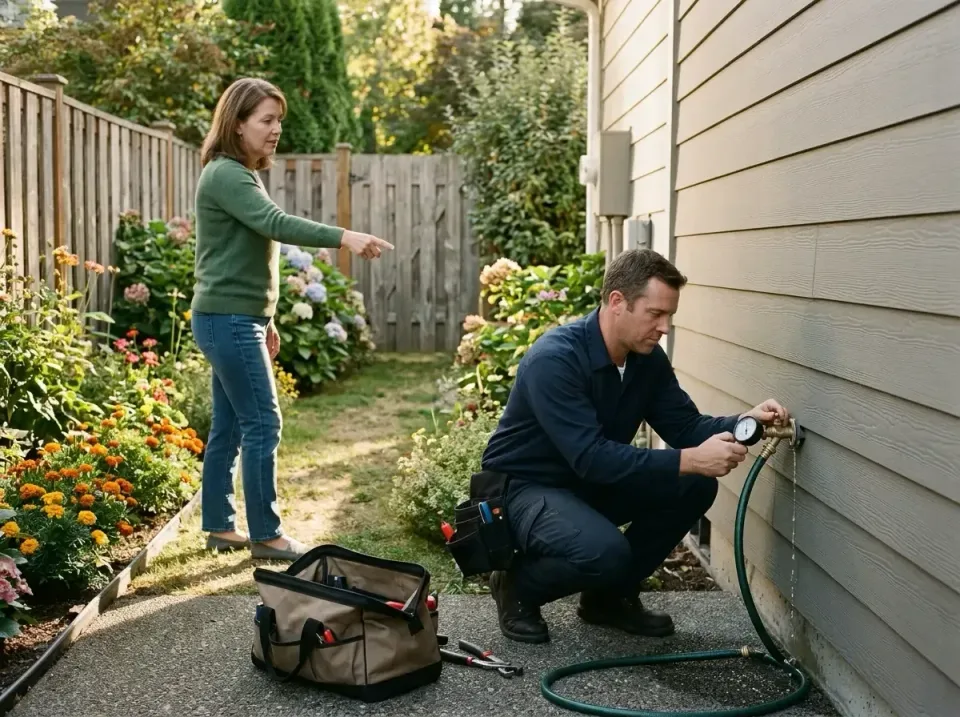
A weak hot stream calls for Low Hot Water Pressure Repair focused on the hot-water path, not an assumption that every fixture has the same fault. We compare hot and cold flow, check accessible connections, and inspect the fixture passage before recommending a repair. A pressure test requires a gauge rated for the system’s expected pressure.
Near Glenwood Hot Springs Pool, busy seasonal property use can make a small hot-side restriction especially noticeable at showers and sinks. Hot summer afternoons can stress outdoor pump equipment, so we consider equipment exposure when the evidence points beyond an indoor fixture. Freeze-thaw cycles can strain buried water lines, though we look for supporting symptoms before tying a hot-side problem to a buried line.
We explain what we find and outline the repair scope before work begins. For a review, call Colorado Plumbing Pros at (877) 773-0781.
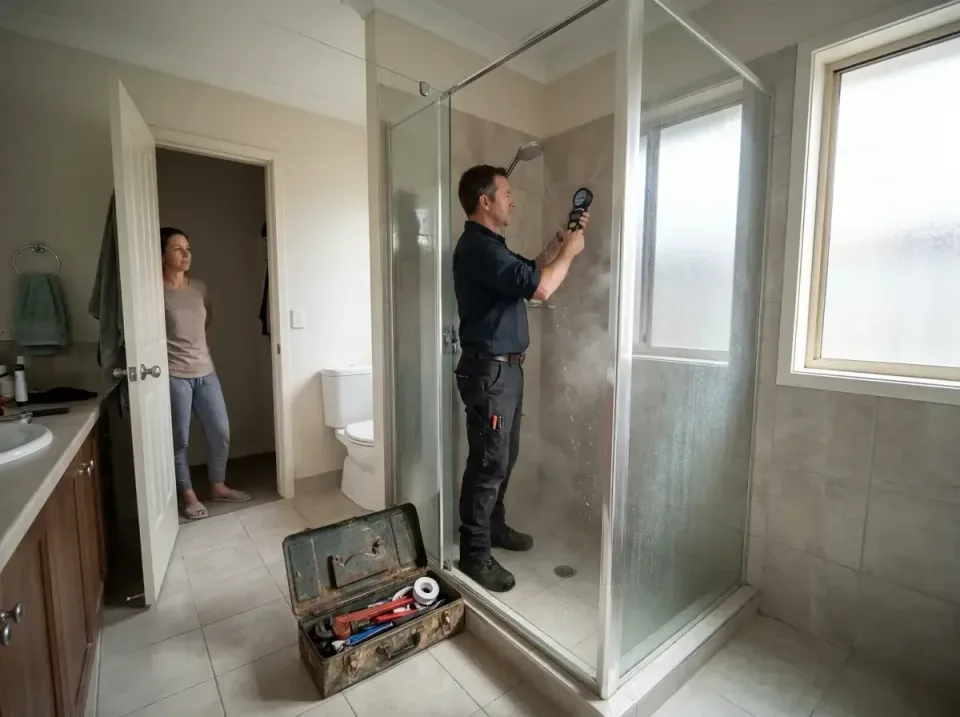
We begin by documenting which hot-water fixtures have weak flow and whether the cold side behaves differently. That comparison gives the inspection a clear starting point.
Next, we inspect accessible fixture passages and hot-side connections, then use a pressure gauge rated for the system when a pressure reading is needed. In cold snaps, shallow service lines can freeze, so we ask whether the symptom appeared after a sharp temperature change rather than assuming an indoor fault. Dry Colorado air can speed evaporation from open plumbing work; we keep exposed work brief and protect the area from dust.
We discuss findings and the proposed scope before repair. Timing depends on access and the condition of the parts, not a promised one-size schedule.
For customers around Aspen Mountain, travel and weather planning can affect an outdoor visit; near Cheyenne Mountain Zoo, the landmark simply helps orient the service location. Garden of the Gods is another familiar reference, not a diagnosis.
For more on hot-side symptoms, see why hot-water pressure may be lower than cold.
A weak hot stream in a home near Maroon Bells can tempt an owner to replace a faucet part before checking whether the restriction is elsewhere. That can waste time.
Our crew compares hot and cold flow, inspects accessible connections, and uses a properly rated pressure gauge when a measurement is needed. We explain which observation supports a repair and which remains uncertain, so the scope does not grow from guesswork.
Near the Mesa Verde Visitor and Research Center, seasonal property use may make a brief hot-water interruption inconvenient; we discuss access and work-area needs before starting. Red Rocks Amphitheatre, Vail Village, Denver International Airport, and Fort Collins Old Town are useful Colorado reference points, but none alone indicates a plumbing defect.
A rushed repair can miss the original restriction or leave debris in a fixture passage. We protect the work area, describe the repair plainly, and confirm the hot-water flow afterward. If you want a careful diagnosis rather than trial-and-error part changes, we can review the symptoms and explain the next step.
If one hot faucet has weak flow, a fixture-level inspection may be straightforward; restricted access or a longer hot-side run can change the work required. Final quotes vary with scope, access, parts, and site conditions. We identify those drivers before presenting a job-specific quote rather than assigning an unsupported standard repair price.
Spring snowmelt may raise groundwater around foundations, which can affect access if the diagnosis requires work near a foundation. Hail can damage exposed plumbing vents or equipment, so visible storm damage may need to be documented as part of the inspection.
Near Horsetooth Reservoir, the landmark helps describe the service area; it does not determine a repair price. Black Canyon of the Gunnison National Park and the Colorado Springs Pioneers Museum are also local reference points, not cost factors by themselves.
We explain whether the work is limited to an accessible fixture or requires more involved access and parts. Contact Colorado Plumbing Pros at (877) 773-0781 for a quote matched to the actual scope.
Pressure After Main Work
Before: After water main work, a homeowner may notice that pressure has changed from its usual level. The change can affect several fixtures, making it hard to tell whether the issue is inside the home or related to the supply. Keep track of which taps are affected and whether hot and cold behave differently.
After: A technician checks the home’s supply and multiple fixtures, records pressure readings, and explains what the findings show. If repair work is needed, the crew confirms compatible parts and documents readings and regulator settings afterward. Local requirements or permits are coordinated when the job calls for them.
Permit and local requirements can vary by job and location. Ask the provider to explain what applies to your repair and who will coordinate it. A clear answer helps you understand what must be addressed before work starts and what documentation may be part of the completed job.
The crew dispatches from Denver and coordinates calls across Colorado, so travel and local access can affect scheduling. Ask what timing is available for your area and whether weather or equipment delivery could change the plan. That gives you a practical expectation without relying on a vague arrival promise.
A technician may need access to fixtures, shutoff valves, a regulator, pump equipment, or a pressure tank, depending on the system. Confirm which areas should be clear and whether shutoff-valve access is available. This helps the crew inspect relevant equipment without unnecessary delays.
Ask for the proposed work and any applicable terms in writing before authorizing a repair. Check what work is included, how changes are handled, and what documentation you will receive. Clear terms help you compare the agreed scope with the work completed.
If seasonal access near Estes Park, Leadville Historic District, or Pikes Peak complicates hot-water service, remember that four distinct seasons affect outdoor plumbing access and summer storms can bring hail and flooding; call Colorado Plumbing Pros at (877) 773-0781 to review Low Hot Water Pressure Repair.
A normal cold stream with weak hot flow narrows the symptom to the hot-water side or the affected fixture, but it does not identify the exact fault. High altitude can increase UV exposure and freeze risk, so mention any exposed equipment or recent freeze conditions when describing the issue.
Yes, a weak stream noticed after fixture work is worth checking because debris or a disturbed connection may affect flow. Around Ball Arena, nearby buildings and the landmark do not establish the cause; describe what was serviced and whether other hot taps changed too.
A photo of the faucet and nearby accessible connections, plus a note comparing hot and cold flow, helps us understand the scope before scheduling. The Durango and Silverton Narrow Gauge Railroad is a regional reference, but your property address and access details are what help plan the visit.
Permit needs depend on the work; regulated plumbing work in Denver requires attention to Denver plumbing permits and the 2022 Denver Building and Fire Code plumbing provisions. Mesa Verde National Park is a Colorado landmark, not a permitting authority, so confirm the proposed scope with the contractor before work begins.
Yes, high altitude can increase UV exposure and freeze risk, which matters when the inspection involves exposed plumbing equipment or outdoor access. Near the Manitou Incline, tell us whether the affected hot-water fixtures are indoors or depend on exposed equipment so we can assess the site conditions.
Select a city to find local low water pressure repair providers we cover in Colorado.