Water Booster Pump Installation
We install residential booster pumps sized to household demand; Colorado jobs typically run $800–$2,500, with pump capacity and electrical work affecting the total. Dry air makes open plumbing work evaporate faster.
A pressure tank that leaves the well pump cycling repeatedly can make water delivery uneven and strain the system. Colorado Plumbing Pros handles pressure tank repair across Colorado, checking the tank’s condition and matching the repair to the equipment in place.
Browse all service options available across Colorado and choose the right fit for your project.
We install residential booster pumps sized to household demand; Colorado jobs typically run $800–$2,500, with pump capacity and electrical work affecting the total. Dry air makes open plumbing work evaporate faster.
We inspect and repair residential pressure regulators, including valve adjustments and replacements; typical replacement runs $300–$800, depending on valve size and access. Aspen Mountain, Cheyenne Mountain Zoo, and t...
Well Pump Repair covers residential pump and control troubleshooting; typical repairs run $300–$1,500, depending on pump type, parts, and access.
Weak faucet pressure repair for homeowners includes faucet flow checks and targeted adjustments; access and fixture condition shape the scope.
We trace sudden whole-house pressure loss, from a pressure reading to accessible plumbing checks; diagnosis cost depends on access and testing time.
Low Shower Pressure Repair addresses weak shower flow, including showerhead and fixture checks; typical jobs run $125–$350, with access and repair scope affecting cost.
We diagnose weak hot-water flow for homeowners, checking fixture passages and hot-side piping; scope and access determine the repair quote.
We locate and repair leaking residential water lines, including buried sections; excavation length and surface restoration shape typical $500–$3,000 jobs.
Low Cold Water Pressure Repair tracks weak cold flow at fixtures and supply lines; scope and access determine the job cost. Snowfall near Pikes Peak can delay equipment delivery.
We clear blockages in residential water lines; typical jobs run $300–$1,500, depending on access and the clog’s location.
We repair corroded residential pipes, including accessible copper sections; typical jobs run $500–$2,500, depending on pipe length and access.
We clear mineral grit and debris from faucet aerators for homeowners; access, screen condition, and replacement parts shape typical $90–$250 jobs.
We replace home water-filter cartridges and housings; typical jobs run about $150–$500, depending on filter type and access.
We clear mineral scale and debris from residential showerheads; typical repairs run $75–$250, depending on access and buildup.
We repair residential water service lines, including buried pipe sections; Colorado jobs typically run $500–$3,000, driven by excavation length and surface restoration.
We repair well pressure switches for homeowners, checking contacts and settings; typical repairs run $150–$500, depending on access and switch condition. Hail near Telluride Historic District can damage exposed equipm...
We repair residential water softeners, including control valves and regeneration components; typical repair pricing depends on system size, parts, and access.
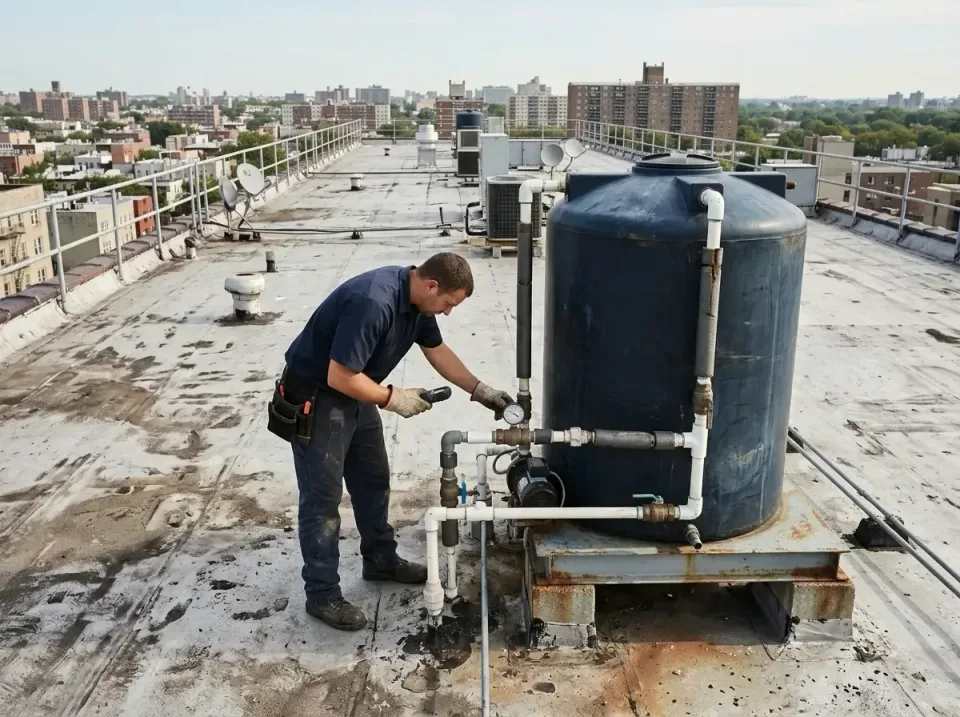
We inspect the pressure tank, its connections, and the system’s pressure readings before recommending repair or replacement. A pressure gauge must be rated for the pressure being tested; an unsuitable gauge can give a misleading result. Accuracy matters.
Near the Colorado Springs Pioneers Museum, older homes and newer properties alike can have different equipment layouts, so we confirm the tank and access conditions on site. Around Coors Field, a service visit may need to account for building access and where the equipment is located.
At Black Canyon of the Gunnison National Park, the name itself reminds travelers how varied Colorado’s terrain is; for customers, distance and site access can affect scheduling and what equipment a job needs. We explain the findings in plain language.
Call (877) 773-0781 to discuss the symptoms and arrange a scope review.
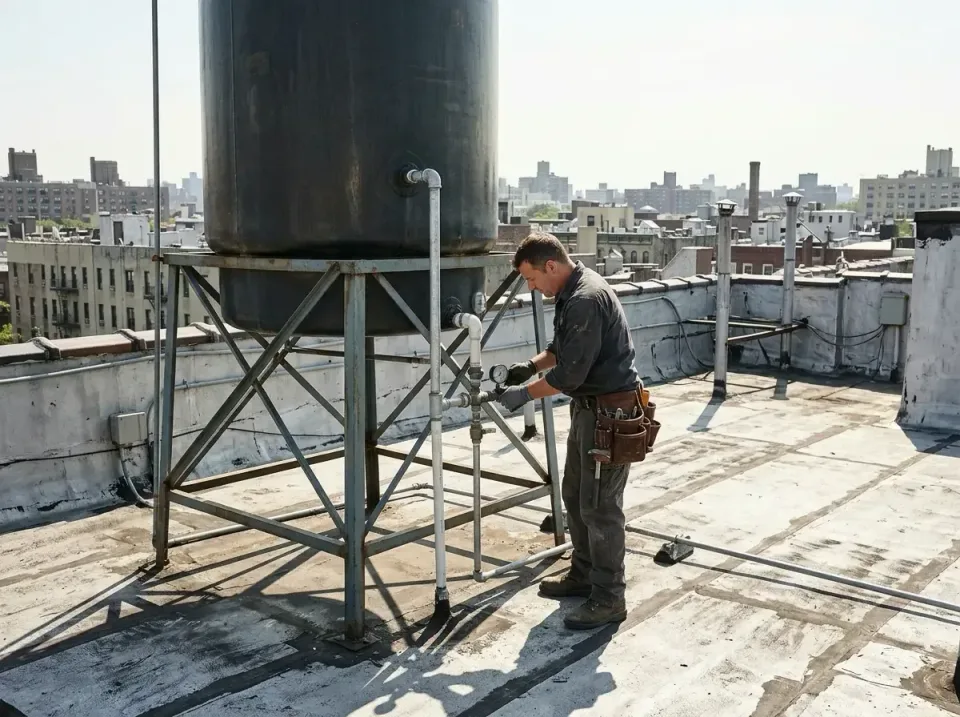
We start by confirming the tank location, equipment access, and the symptoms you have noticed. A photo of the tank label and nearby connections can help us understand the setup before the visit, but no special measurements are required.
Next, we inspect and test the system with a pressure gauge rated for its expected pressure. We explain what we find, review the repair scope, and discuss any equipment or plumbing changes before work begins. The repair timing depends on access and parts availability, rather than a promised one-size schedule.
Colorado weather can affect outside access: cold snaps can freeze shallow service lines, so tell us if the equipment or its connections are outdoors. Eastern plains winds and fast temperature changes can make exposed work less predictable, while hail can damage exposed plumbing vents and equipment; mention any recent weather-related damage when scheduling.
Homes near Denver Union Station may have different access constraints than properties near Garden of the Gods. For background on recurring pump cycles, see why a well pump cycles every few minutes.
In Colorado, a tank tucked into a tight utility room can be hard to inspect and easy to misdiagnose. Our crew checks the actual tank and connections, then explains which repair fits the observed condition instead of swapping parts by guesswork. That distinction matters: an incorrect adjustment can leave the system cycling or delivering unevenly.
At Denver Botanic Gardens, outdoor conditions are part of maintaining a large property; at home, low humidity can worsen indoor dust and static, so we keep the immediate work area orderly and limit unnecessary disturbance. Near Estes Park, heavier snowfall can complicate access to equipment and parts, so we discuss site conditions before setting expectations.
The Great Sand Dunes Visitor Center gives visitors a reason to plan for a remote trip; homeowners can similarly help by sharing access details and equipment photos in advance. We protect the work area, explain findings, and provide a clear scope before repairs proceed.
A tank replacement quote changes with tank capacity, connection condition, and how much plumbing must be altered. For planning, pressure tank replacement commonly falls around $400–$1,200; the tank size and plumbing changes are the main drivers, not a flat charge for every home. A diagnosis may be needed first if the tank’s condition is uncertain.
At Mesa Verde Visitor and Research Center, visitors plan around the site they are visiting; likewise, a technician needs the tank’s location and access details to scope the work. Pikes Peak can bring challenging travel and site conditions, so share location and access information when arranging service.
Steamboat Springs is another distinct Colorado destination where equipment access and delivery logistics may affect a job. Final quotes vary with scope, access, parts, and site conditions. For a quote matched to your installation, call Colorado Plumbing Pros at (877) 773-0781.
Rust or corrosion on the tank’s exterior is an early warning sign. Check the visible surface without opening the tank or electrical components. Ask a plumbing professional to assess whether the tank or nearby connections need attention.
Water or persistent dampness near the tank base can signal a leak or condensation that deserves inspection. Keep the area clear so the source is visible, and avoid opening equipment or disturbing electrical connections.
A pump that seems to run longer than usual can be an early sign of a pressure-system concern. Note when it happens and whether other fixtures are in use; that detail can help a technician assess the system.
Air sputtering from a faucet can be a visible change worth tracking, especially if it occurs repeatedly. Note which fixtures are affected and share that pattern with a plumbing professional rather than adjusting tank settings yourself.
Call Colorado Plumbing Pros at (877) 773-0781 to discuss pressure tank repair; plan access around local conditions near Durango and Silverton Narrow Gauge Railroad, Glenwood Hot Springs Pool, or Grand Junction Main Street.
Yes, pressure tank repair can address a tank that is no longer buffering the system properly, though testing is needed to confirm the cause. Colorado’s freeze-thaw cycles can stress buried water lines, so tell the plumber if cycling began after a major seasonal change.
Yes, snowfall can delay equipment delivery or access to a work area, particularly where the tank is reached from outdoors. Near Aspen Mountain, winter conditions can complicate travel and site access, so share any access restrictions when arranging a visit.
Yes, mention it when booking, since spring snowmelt may raise groundwater around foundations and affect access to plumbing areas. Near Pueblo Riverwalk, conditions can differ from those at your property, so our crew assesses the actual tank location rather than assume the same site conditions.
A tank repair may be scheduled after assessing the symptoms, but tell the plumber about signs of a buried-line problem so the scope can account for it. Freeze-thaw cycles stress buried water lines, and a site near Leadville Historic District may have different access and weather constraints than a lower-elevation property.
Send a clear photo of the tank and its label, plus a note about where it is located and when the pressure symptoms occur. Near Cheyenne Mountain Zoo, site access and seasonal conditions may shape scheduling; snowfall can delay excavation or equipment delivery if the job requires either.
Select a city to find local low water pressure repair providers we cover in Colorado.